Sugar Handwriting: A Strategic Choice for Human-Centered Design
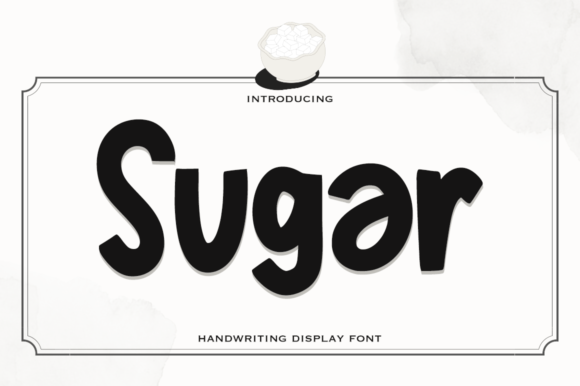
When your goal is to communicate warmth, approachability, and authenticity—without sacrificing clarity or professionalism—Sugar Handwriting stands out not as a decorative afterthought, but as a deliberate design decision. It’s a simple, cute monoline font built on consistent stroke weight, gentle curves, and balanced spacing. Its visual restraint makes it highly legible at small sizes, while its handwritten rhythm preserves personality. That balance—between structure and softness—is why Sugar works where many script fonts fail: in real-world applications with real audience expectations.
Why Simplicity Is a Strategic Advantage
Complex scripts often demand attention just to be read. Sugar avoids that friction. Because it’s monoline—no thick-and-thin contrast—it renders cleanly across devices, print formats, and production methods. You won’t lose detail in sublimation transfers, vinyl cuts, or embroidery previews. That reliability reduces revision cycles, lowers production risk, and supports faster time-to-market—especially valuable for small business owners launching seasonal collections or educators preparing classroom materials on tight deadlines.
More importantly, simplicity in typography signals intentionality. When you choose Sugar, you’re not defaulting to “cute.” You’re selecting a voice that says: *I value clarity, I respect your time, and I want this message to feel personal—not performative.* That alignment between tone and execution builds trust before the first word is read.
Where Sugar Delivers Measurable Value
Sugar Handwriting excels in contexts where emotional resonance matters—but readability and scalability can’t be compromised. Consider these use cases:
- Wedding invitations: Couples increasingly seek designs that reflect their relationship—not generic elegance. Sugar provides handwritten charm without looking juvenile or hard to scan. It pairs well with minimalist layouts, letting names and dates shine while still feeling intimate.
- T-shirt and apparel design: On fabric, fine details blur. Sugar’s open counters and generous x-height ensure legibility even after multiple washes. Its friendly tone also supports brand storytelling—for example, a children’s boutique using Sugar for taglines reinforces warmth without leaning into cartoonish clichés.
- Crafting and sticker kits: Hobbyists need fonts that cut cleanly on Cricut or Silhouette machines. Sugar’s uniform line weight and lack of overlapping strokes minimize cutting errors and reduce material waste—practical efficiency that adds up over dozens of projects.
- Digital learning tools: Educators designing printable worksheets or interactive PDFs find Sugar improves engagement for younger learners or neurodiverse audiences. Its consistency helps with letter recognition, while its non-formal appearance lowers perceived cognitive load.
How to Use Sugar Intentionally—Not Automatically
Using Sugar well isn’t about applying it everywhere it *could* go. It’s about asking: What outcome do I need this text to support? If the goal is authority or technical precision—like a legal disclaimer or API documentation—Sugar isn’t the right tool. But if the goal is connection, invitation, or gentle guidance, it earns its place.
Start by auditing your current touchpoints. Where do people first encounter your brand voice? Is it a welcome email? A product label? A workshop handout? Map those moments against three filters:
- Clarity required? (Yes → Sugar works well at 14pt+ in body copy, especially with sufficient line height.)
- Emotional tone needed? (Warmth, playfulness, sincerity → Sugar supports all three without tipping into informality.)
- Production constraints present? (Sublimation, heat transfer, laser engraving → Sugar’s monoline structure handles them reliably.)
This kind of filtering prevents “font drift”—the habit of rotating through styles without strategic rationale. Sugar becomes part of your visual grammar, not just another option in the dropdown.
What to Consider Before Committing
Sugar is versatile—but versatility isn’t universality. Its strength lies in supporting human-centered goals, not replacing typographic hierarchy. Never use Sugar alone for complex information architecture. Pair it thoughtfully: combine it with a neutral sans-serif (like Inter or Poppins) for body text, captions, or navigation. Let Sugar handle headlines, quotes, labels, or short calls to action—where personality amplifies meaning.
Also consider cultural context. While Sugar reads as friendly across English-speaking markets, test it with your actual audience if serving multilingual or global users. Handwritten styles carry subtle regional associations—some viewers may link certain flourishes to specific eras or aesthetics. Sugar avoids overt nostalgia, but perception still depends on usage, color, and surrounding design.
And avoid overuse. Even the most thoughtful font loses impact when repeated without variation. One invitation with Sugar in the couple’s names—and clean sans-serif elsewhere—feels curated. An entire website set in Sugar feels unstructured. Strategic restraint multiplies its effectiveness.
Long-Term Branding Implications
Brands that invest in intentional typography often see downstream benefits: stronger recall, smoother content creation workflows, and more cohesive cross-channel experiences. Sugar contributes here not because it’s trendy, but because it’s repeatable and recognizable without being rigid. Unlike highly stylized scripts that age quickly, Sugar’s simplicity gives it staying power—making it viable for multi-year brand systems.
For freelancers and agencies, recommending Sugar to clients isn’t just about aesthetics—it’s about sustainability. Clients who understand *why* Sugar fits their wedding stationery or craft kit are more likely to apply it consistently across future projects. That consistency builds equity. And equity reduces the need for frequent rebrands—or costly redesigns driven by fleeting trends.
Practical Integration Tips
If you’re evaluating Sugar for an upcoming project, start small:
- Test it in your actual production environment—print a sample on your target paper stock or run a test cut on your vinyl plotter.
- Compare it side-by-side with your current font at identical sizes and weights. Does it improve scannability? Does it better reflect your intended tone?
- Check accessibility: At 16px, does Sugar meet WCAG 2.1 contrast requirements against your background color? Its even stroke weight helps, but contrast remains your responsibility.
- Review licensing. Sugar Handwriting is typically available with commercial-use rights—but confirm permissions match your use case (e.g., unlimited digital downloads vs. physical product resale).
Finally, track results. If you switch from a generic script to Sugar for email subject lines, note open rates over three campaigns. If you use it on product packaging, gather informal feedback during customer interactions. Data—not just preference—should guide whether Sugar continues to serve your goals.
Final Thought: Tools Serve Strategy, Not the Other Way Around
Sugar Handwriting is more than a font. It’s a quiet enabler—one that supports goals rooted in empathy, clarity, and practical execution. It won’t fix unclear messaging or compensate for weak positioning. But when aligned with purposeful planning, it strengthens how your work is received, remembered, and acted upon.
The most effective designers, marketers, and creators don’t chase what looks “pretty” in isolation. They ask: What do I need this to do—and for whom? When the answer involves warmth, approachability, and effortless legibility, Sugar isn’t just appropriate. It’s strategic.