Bestlove: The Handwritten Font That Feels Like a Thoughtful Note From a Friend
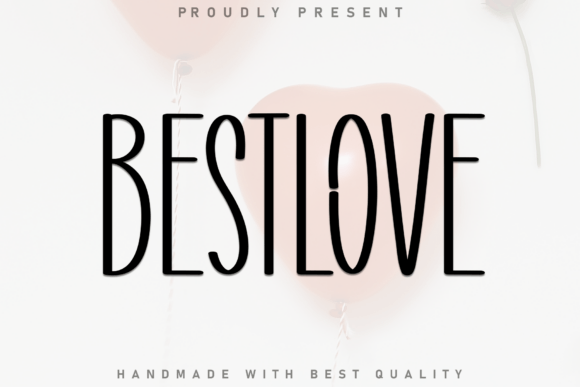
Imagine sketching a logo on a napkin during coffee with a client—and that sketch becoming your final brand mark. That’s the energy Bestlove brings to design: relaxed, confident, and unmistakably human. It’s not a sterile script or an overly ornate calligraphy font. Bestlove is a handwritten typeface drawn with the loose, expressive flow of a fine-tip marker—slightly uneven baseline, gentle tapering strokes, and subtle variations in line weight that echo real handwriting.
What makes it work so well across contexts isn’t just how it looks—but how it feels. It carries warmth without sacrificing polish, elegance without stiffness, and casual charm without looking unfinished. That balance is rare. And it’s why designers, small business owners, educators, and hobbyists keep returning to Bestlove—not as a novelty, but as a reliable tool for connection.
When “Handwritten” Isn’t Just Stylistic—It’s Strategic
People don’t reach for Bestlove when they want something “cute” or “trendy.” They reach for it when authenticity matters more than perfection. Think about a local bakery launching a new seasonal menu: a crisp sans-serif might communicate efficiency, but Bestlove signals care—the kind you’d see scrawled on a chalkboard beside fresh sourdough. Or consider a freelance illustrator sending a pitch email: pairing Bestlove with clean body text adds personality without undermining professionalism.
This isn’t about slapping a font on anything labeled “handmade.” It’s about matching tone to intention. Bestlove shines where warmth builds trust—like wedding stationery that reflects the couple’s easygoing vibe, or a mindfulness app’s onboarding screen that says, “You belong here,” before the first guided breath begins.
Real Uses, Real People
- Small business branding: A boutique fitness studio uses Bestlove for its class schedule posters and Instagram story highlights. The font mirrors the instructor’s encouraging, no-judgment tone—making newcomers feel welcomed, not intimidated.
- Wedding supplies: A couple hand-selects Bestlove for their RSVP cards and ceremony program. It complements watercolor illustrations and linen envelopes, adding intimacy without looking fussy or overly formal.
- Educational materials: A high school art teacher creates a project rubric in Bestlove (for headings) paired with a legible sans-serif (for details). Students report it feels “less intimidating” and “more like advice than evaluation.”
- Digital marketing: An eco-conscious skincare brand uses Bestlove in limited-edition product launch banners—just for headlines. It subtly reinforces their handmade, small-batch narrative while keeping CTAs clear and clickable.
- Personal creative projects: A hobbyist making custom greeting cards for friends’ birthdays swaps out generic scripts for Bestlove. The difference? Cards get saved, shared, even framed—not tucked into a drawer.
Why It Works Where Other Handwritten Fonts Fall Short
Not all handwritten fonts earn repeat use. Some look too stiff (like typed cursive), others too chaotic (with excessive swashes or inconsistent spacing). Bestlove avoids both traps. Its rhythm is natural—not robotic, not frantic. Letters connect gently where appropriate, but never force ligatures. Capital letters have presence without shouting; lowercase forms breathe with comfortable x-height and open counters.
That practicality shows up in real ways: it scales well from tiny Instagram bio text to large-format event signage. It pairs effortlessly with neutral sans-serifs (think Inter, Montserrat, or Lato) and even holds its own next to modest serif fonts like Merriweather or Cormorant Garamond. And because it’s designed with consistent metrics and OpenType features, it renders cleanly across browsers, design apps, and print workflows—no surprise kerning gaps or missing glyphs mid-project.
What to Consider Before You Use Bestlove
Like any strong voice, Bestlove isn’t right for every message. Ask yourself:
- Is readability critical at small sizes? Bestlove excels at medium-to-large display sizes (16px and up on screen, 12pt+ in print). Avoid using it for dense body copy, footnotes, or legal disclaimers.
- Does your brand already lean heavily into “handmade” aesthetics? If your visuals are full of textured paper, ink splatters, and analog photography, Bestlove will feel cohesive. But if your identity is sleek, tech-forward, or minimalist, it may jar unless intentionally contrasted.
- Are you licensing it correctly? Free versions often lack full character sets (no currency symbols, accented characters, or extended punctuation). For commercial use—especially in client work or product packaging—verify the license covers your needs. Many users opt for the premium version for multilingual support and stylistic alternates.
- How much customization does your project need? Bestlove doesn’t include dozens of weights or widths. It’s one thoughtfully crafted style. If you need bold, light, or italic variants, plan to pair it intentionally—not substitute within the same family.
More Than a Font—A Shortcut to Tone
Designers often spend hours adjusting spacing, testing color palettes, and refining hierarchy to land the right mood. Bestlove shortens that loop. Choose it, and you’ve already signaled approachability, sincerity, and quiet confidence. That’s especially valuable when time is tight—like a solopreneur building a Shopify store over a weekend, or a nonprofit volunteer designing a community event flyer with limited design experience.
It also bridges gaps between audiences. A university continuing education department used Bestlove in their summer workshop promo—targeting both retirees seeking creative hobbies and young professionals exploring career pivots. Feedback? “Felt inclusive, not academic. Friendly, but not childish.” That’s the sweet spot.
And for creators who aren’t designers? Bestlove lowers the barrier. No need to master calligraphy or wrestle with vector paths. Drop it into Canva, Adobe Express, or Figma, adjust size and color, and suddenly your social post or printable planner feels intentional—not “thrown together.”
Final Thought: Choose Bestlove When You Want People to Feel Seen
You’ll know Bestlove is the right choice when your goal isn’t to impress with complexity—but to resonate with clarity and kindness. Whether it’s a teacher’s welcome letter to parents, a therapist’s downloadable journal prompt, or a candle maker’s limited-run label, Bestlove helps your message land softly, stay memorable, and reflect the care behind it.
It won’t fix weak copy or unclear strategy. But in the right hands—and for the right purpose—it turns typography into quiet empathy. And in a world full of polished, impersonal design, that’s not just useful. It’s necessary.